Does Pasteurization Kill E Coli in Beef Steak
The Dangers of Raw Milk: Unpasteurized Milk Can Pose a Serious Health Risk
Download (PDF: 823KB)
en Español (PDF: 3MB)

Milk and milk products provide a wealth of nutrition benefits. But raw milk, i.e., unpasteurized milk, can harbor dangerous microorganisms that can pose serious wellness risks to you lot and your family.
According to the Centers for Disease Command and Prevention (CDC), from 1993 through 2012, there were 127 outbreaks linked to raw milk or raw milk products like ice foam, soft cheese, or yogurt. They resulted in ane,909 illnesses and 144 hospitalizations. CDC points out that most foodborne illnesses are non a office of recognized outbreaks, and for every illness reported, many others occur.
Raw milk is milk from cows, sheep, and goats — or any other animal — that has not been pasteurized to kill harmful leaner. Raw milk tin carry unsafe bacteria such as Salmonella, E. coli, Listeria, Campylobacter, and others that cause foodborne illness, oft chosen "food poisoning."
These bacteria can seriously injure the health of anyone who drinks raw milk or eats products made from raw milk. However, the leaner in raw milk can exist specially dangerous to people with weakened immune systems (such as transplant patients and individuals with HIV/AIDS, cancer, and diabetes), children, older adults, and meaning women. In fact, CDC finds that foodborne illness from raw milk particularly affects children and teenagers.
"Pasteurized Milk" Explained
Pasteurization is a widely used process that kills harmful bacteria by heating milk to a specific temperature
for a set menstruum of time. First developed by Louis Pasteur in 1864, pasteurization kills harmful organisms responsible for such diseases equally listeriosis, typhoid fever, tuberculosis, diphtheria, Q fever, and brucellosis.
The Dangers of Listeria and Pregnancy
Pregnant women run a serious risk of condign ill from the bacteria Listeria, which is often found in raw milk and tin cause miscarriage, or disease, or death of the newborn babe. If you are pregnant, drinking raw milk — or eating foods made from raw milk, such equally Mexican-style cheese like Queso Blanco or Queso Fresco — tin impairment your baby even if you don't experience ill.
Raw Milk and Serious Illness
Symptoms and Communication
Symptoms of foodborne illness usually include:
- Vomiting, diarrhea, and abdominal hurting
- Flu-like symptoms such as fever, headache, and body ache
While most salubrious people will recover from an illness acquired by harmful bacteria in raw milk – or in foods made with raw milk – inside a short time, some tin develop symptoms that are chronic, astringent, or fifty-fifty life-threatening. If you or someone y'all know becomes ill later consuming raw milk or products fabricated from raw milk – or, if you are pregnant and think you may have consumed contaminated raw milk or cheese – see a healthcare professional immediately.
Raw Milk & Pasteurization: Debunking Milk Myths
While pasteurization has helped provide rubber, nutrient-rich milk and cheese for over 120 years, some people continue to believe that pasteurization harms milk and that raw milk is a safe, healthier alternative.
Here are some common myths and proven facts about milk and pasteurization:
- Pasteurizing milk DOES Not cause lactose intolerance and allergic reactions. Both raw milk and pasteurized milk can crusade allergic reactions in people sensitive to milk proteins.
- Raw milk DOES NOT impale unsafe pathogens past itself.
- Pasteurization DOES Not reduce milk's nutritional value.
- Pasteurization DOES NOT mean that it is condom to leave milk out of the refrigerator for extended time, particularly afterwards it has been opened.
- Pasteurization DOES kill harmful bacteria.
- Pasteurization DOES salve lives.
When in Uncertainty — Ask!
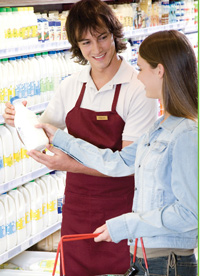
- Read the label. Safe milk volition take the word "pasteurized" on the label. If the word "pasteurized" does non appear on a product's characterization, it may contain raw milk.
- Don't hesitate to ask your grocer or health nutrient store clerk whether milk or cream has been pasteurized, especially milk or milk products sold in refrigerated cases.
- Don't purchase milk or milk products at farmers' markets or roadside stands unless you tin can ostend that they have been pasteurized.
Is Your Homemade Water ice Foam Safe?
Each year, homemade ice cream causes serious outbreaks of infection from Salmonella. The ingredient responsible is raw or undercooked eggs. If you cull to make water ice cream at dwelling, use a pasteurized egg product, egg substitute, or pasteurized trounce eggs in identify of the raw eggs in your favorite recipe. There are too many egg-complimentary water ice cream recipes bachelor.
Protect Your Family with Wise Nutrient Choices
Most milk and milk products sold commercially in the U.s. comprise pasteurized milk or cream, or the products have been produced in a manner that kills any unsafe bacteria that may be nowadays. But, unpasteurized milk and products made from unpasteurized milk are sold and may exist harmful to your health. To avert getting sick from the dangerous leaner plant in raw milk, y'all should choose your milk and milk products advisedly. Follow these guidelines:
Depression Take chances Choices
- Pasteurized milk or foam
- Hard cheeses such equally cheddar, and extra hard grating cheeses such every bit Parmesan
- Soft cheeses, such as Brie, Camembert, blueish-veined cheeses, and Mexican-style soft cheeses such every bit Queso Fresco, Panela, Asadero, and Queso Blanco made from pasteurized milk
- Processed cheeses
- Cream, cottage, and Ricotta cheese fabricated from pasteurized milk
- Yogurt made from pasteurized milk
- Pudding fabricated from pasteurized milk
- Water ice cream or frozen yogurt fabricated from pasteurized milk
Loftier Risk Choices
- Unpasteurized milk or cream
- Soft cheeses, such equally Brie and Camembert, and Mexican-manner soft cheeses such as Queso Fresco, Panela, Asadero, and Queso Blanco fabricated from unpasteurized milk
- Yogurt fabricated from unpasteurized milk
- Pudding fabricated from unpasteurized milk
- Water ice foam or frozen yogurt made from unpasteurized milk
Prophylactic Nutrient Handling: Four Simple Steps
CLEAN
Wash hands and surfaces oftentimes
- Wash your hands with warm water and lather for at least 20 seconds before and after handling food and after using the bathroom, changing diapers, and handling pets.
- Wash your cutting boards, dishes, utensils, and counter tops with hot soapy h2o subsequently preparing each food item.
- Consider using paper towels to clean upwards kitchen surfaces. If you use cloth towels, launder them oft in the hot wheel.
- Rinse fresh fruits and vegetables nether running tap water, including those with skins and rinds that are non eaten. Scrub business firm produce with a clean produce brush.
- With canned goods, remember to clean lids earlier opening.
SEPARATE
Split raw meats from other foods
- Separate raw meat, poultry, seafood, and eggs from other foods in your grocery shopping cart, grocery bags, and refrigerator.
- Utilize one cut lath for fresh produce and a carve up 1 for raw meat, poultry, and seafood.
- Never place cooked nutrient on a plate that previously held raw meat, poultry, seafood, or eggs unless the plate has been washed in hot, soapy water.
- Don't reuse marinades used on raw foods unless y'all bring them to a boil first.
COOK
Cook to the right temperature
- Color and texture are unreliable indicators of rubber. Using a food thermometer is the only fashion to ensure the safe of meat, poultry, seafood, and egg products for all cooking methods. These foods must exist cooked to a safe minimum internal temperature to destroy whatsoever harmful bacteria.
- Cook eggs until the yolk and white are house. Only use recipes in which eggs are cooked or heated thoroughly.
- When cooking in a microwave oven, cover nutrient, stir, and rotate for even cooking. If in that location is no turntable, rotate the dish by hand in one case or twice during cooking. Always allow standing time, which completes the cooking, earlier checking the internal temperature with a nutrient thermometer.
- Bring sauces, soups and gravy to a boil when reheating.
CHILL
Refrigerate foods promptly
- Apply an appliance thermometer to be sure the temperature is consistently 40° F or below and the freezer temperature is 0° F or below.
- Refrigerate or freeze meat, poultry, eggs, seafood, and other perishables within 2 hours of cooking or purchasing. Refrigerate within i hour if the temperature exterior is above ninety° F.
- Never thaw food at room temperature, such equally on the counter top. There are three rubber ways to defrost food: in the fridge, in common cold h2o, and in the microwave. Food thawed in cold water or in the microwave should be cooked immediately.
- Ever marinate food in the refrigerator.
- Dissever big amounts of leftovers into shallow containers for quicker cooling in the refrigerator.
The Dangers of Unpasteurized Milk
Additional Information
- Questions and Answers on Raw Milk
- Raw Milk Misconceptions and the Danger of Raw Milk Consumption
- FDA and CDC Remind Consumers of the Dangers of Drinking Raw Milk
- FoodSafety.gov: Myths About Raw Milk
- CDC: Nutrient Safety and Raw Milk
richardsonprombery.blogspot.com
Source: https://www.fda.gov/food/buy-store-serve-safe-food/dangers-raw-milk-unpasteurized-milk-can-pose-serious-health-risk
0 Response to "Does Pasteurization Kill E Coli in Beef Steak"
Post a Comment